
New Urbanism
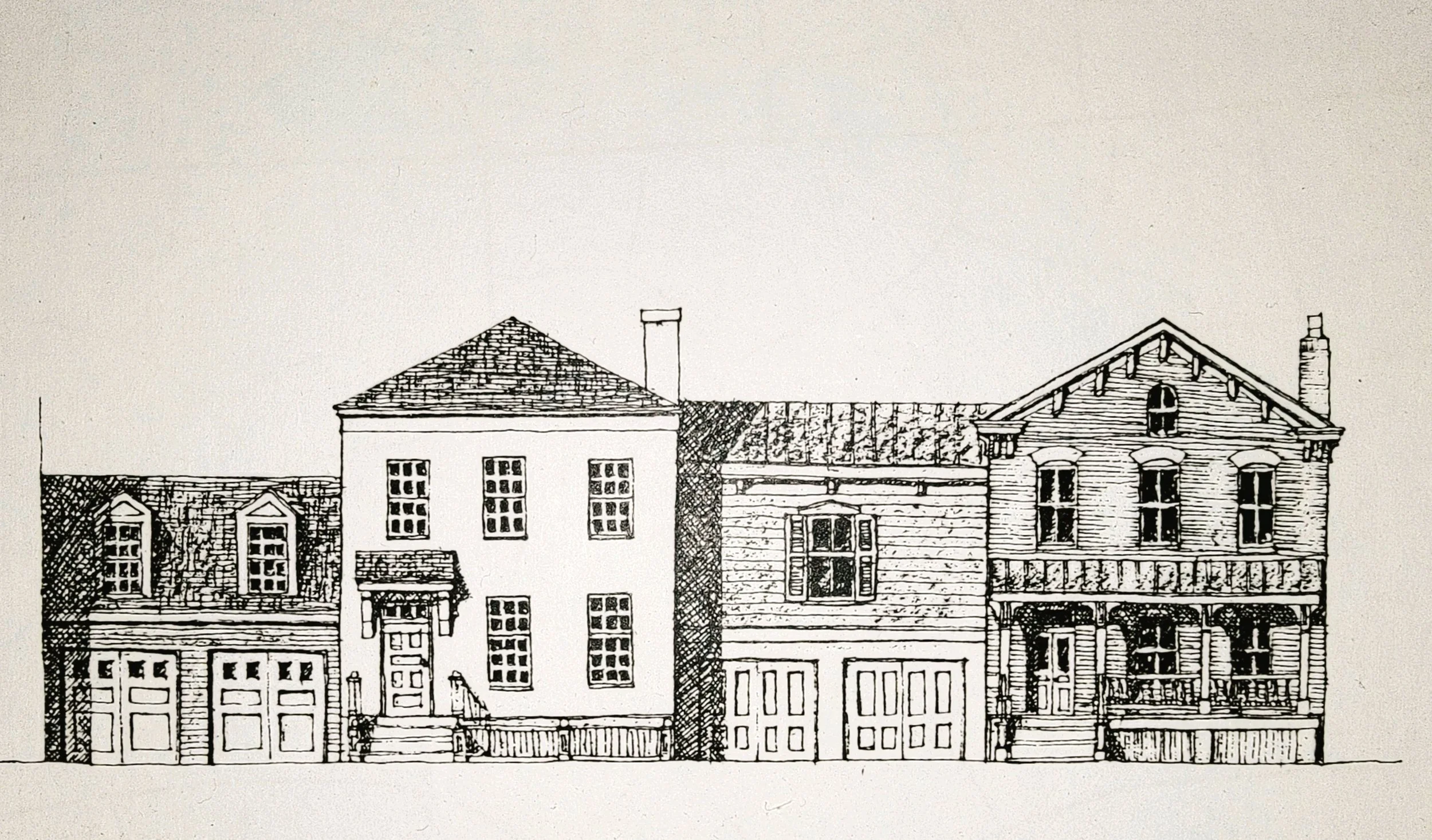
Kentlands is a nationally recognized model of New Urbanism, a movement that prioritizes walkability, diversity, sustainability, and strong community ties. Through thoughtful urban planning and active community engagement, Kentlands continues to be a leading example of how neighborhoods can foster both livability and environmental responsibility
Our Mission
We advocate for and celebrate the principles of New Urbanism, ensuring that the Kentlands remains a vibrant, inclusive, and innovative community. By engaging residents, city planners, and architectural experts, we strive to uphold the values that make this neighborhood unique
New Urbanism emphasizes walkability, mixed-use development, diverse housing, sustainable design, and community-centered planning to create vibrant, connected, and environmentally conscious neighborhoods.
Principles of New Urbanism
-
Kentlands is designed to meet most daily needs within a five to ten-minute walk, emphasizing pedestrian-friendly features like buildings close to the street, front porches, tree-lined sidewalks, and hidden parking. Narrow streets and traditional roadway elements, such as traffic circles and curb bump-outs, promote traffic calming. Schools, daycare centers, and recreation facilities are conveniently located for easy access by foot or bike. A variety of parks, from tot-lots to ballfields and community gardens, are evenly distributed throughout the neighborhood, fostering a walkable and connected community.
-
An interconnected street grid enhances walkability, disperses and calms traffic, and reduces reliance on automobiles. Narrow streets and connected pathways encourage walking, save energy, and create a comfortable and enjoyable travel experience. Cul-de-sacs are avoided unless required by natural conditions.
-
Mixed-use is encouraged within the neighborhood and the block and within buildings through a mix of shops, offices, apartments, houses, recreation and institutional uses.
-
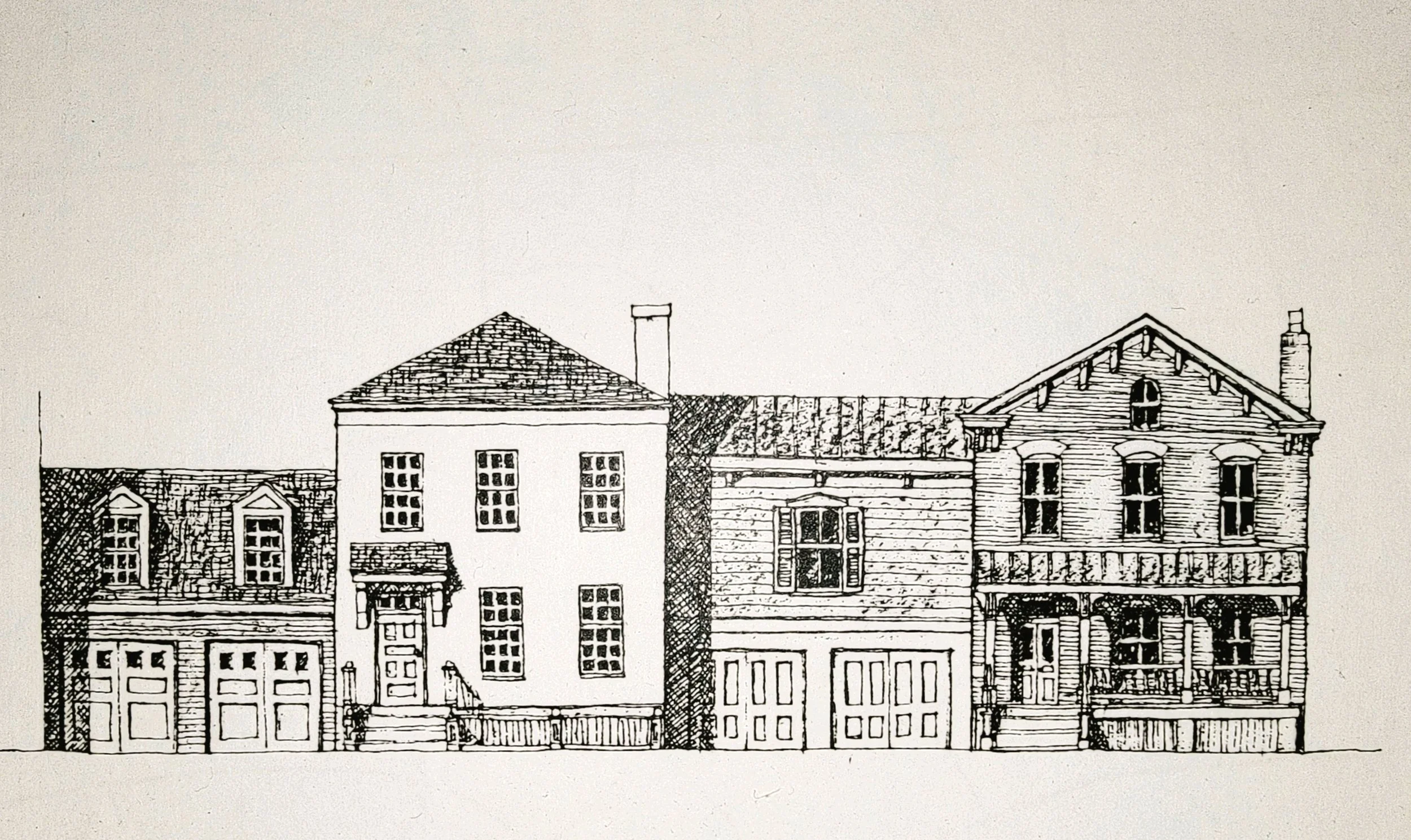
A diverse mix of housing types, sizes, and prices are integrated within neighborhoods, fostering interaction among people of different ages, ethnicities, and incomes. Affordable housing is seamlessly designed to blend with market-rate homes, avoiding segregation or clustering. Ancillary dwelling units, often above garages, add flexibility to housing options.
-
The design emphasizes aesthetics, comfort, and a strong sense of place. Civic buildings serve as landmarks, and streets are framed by building fronts or public spaces. Retail buildings face sidewalks with no setback, while residences are placed close to the street, often featuring architectural elements like porches and balconies. Parking is accessed via rear lanes, and street-facing garages are set back or separated to enhance the community's visual appeal and functionality.
-
The close proximity of residences, shops, services, and employment preserves open space, promotes walking, reduces costs, and supports local amenities and transit. This layout fosters social interactions, encourages neighbors to beautify shared spaces, by adding landscaping and gardens and enhances community security.
-
Development, construction, and operations are designed to minimize environmental impact. Preserving natural features, minimizing grading, and protecting trees through thoughtful placement of parks and green spaces. Public spaces are designed to highlight natural elements, and open spaces are connected as green corridors. The preservation of historic buildings and landscapes reinforces the continuity of urban heritage.
-
A high-quality rail network connects cities and towns. Neighborhood centers provide dignified places to wait for transit. All elements of site design encourage a variety of modes for daily transportation.

Kentlands Docent-Led Walking Tour
Experience the Vision of New Urbanism in Action
Launched in 2003 as part of Kentlands’ 15th Anniversary Community Celebration, the Kentlands Docent Program offers an engaging, in-depth walking tour that explores the history, architecture, and principles of New Urbanism that shape this vibrant community. Led by dedicated volunteers from the New Urbanism Committee and key members of the Kentlands Community Foundation Board, this tour provides a unique perspective on one of the most celebrated New Urbanist neighborhoods in the country.
Tour Details & Scheduling
Season: April – October
Distance: Approximately 2.5 miles
Duration: About 1 hour and 15 minutes
Meeting Point: The Carriage House, next to Gaithersburg’s Arts Barn
Tours are available by request and are best suited for groups of four or more.
Reservations should be made at least one week in advance by contacting the Kentlands Community Foundation.
Special accommodations for larger groups can be arranged with additional notice.
What’s Included
Each guest receives:
✔ A Kentlands Walking Tour Guide
✔ A brochure on the Principles of New Urbanism & Traditional Neighborhood Development
✔ The opportunity to purchase the hand-drawn Kentlands Map, with proceeds supporting the Foundation
Suggested Donation
A $20 per guest donation is recommended, with all proceeds directly benefiting the KCF and its initiatives.
To schedule a tour or inquire about availability:
Support Kentlands New Urbanism

The Kentlands New Urbanism Committee is dedicated to fostering a walkable, sustainable, and connected community. Your support helps us promote smart growth, advocate for pedestrian-friendly design, and engage residents in shaping the future of Kentlands.
Your contributions help us:
✔ Host educational events and speaker series
✔ Advocate for smart development and public spacesHow You Can Help:
Donate to support our efforts
Volunteer to help with events and advocacy
Join our discussions to share your ideas
Together, we can ensure that Kentlands remains a model for vibrant, community-driven urbanism!